Flowers Embroidery Design Review
As a designer who spends more time than I care to admit staring at stitch lines and debating thread colorways, I approach every new embroidery design with a mix of excitement and skepticism. The market is flooded with digital assets, but few actually translate well from a screen to fabric. Today, I’m putting the Flowers illustration through its paces. This isn’t just about how pretty it looks in a preview window; it’s about whether it holds up when your embroidery machine is humming away on a customer’s order. If you are an Etsy seller, a boutique owner, or a crafter looking to elevate your handmade product line, this review will help you decide if Flowers deserves a spot in your library.
First Impressions: Mood and Visual Personality
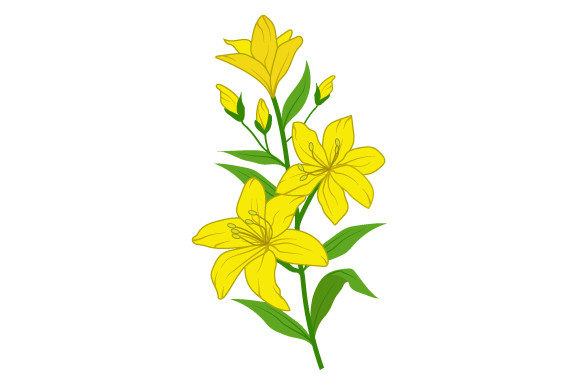
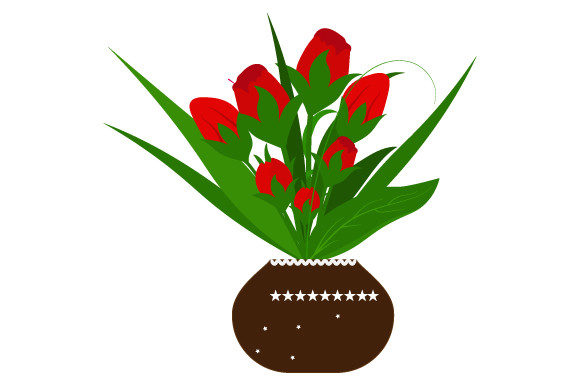
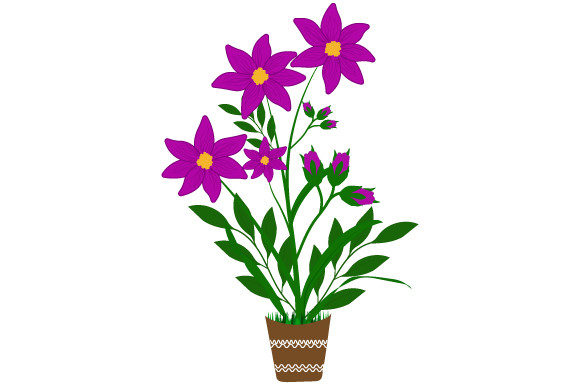
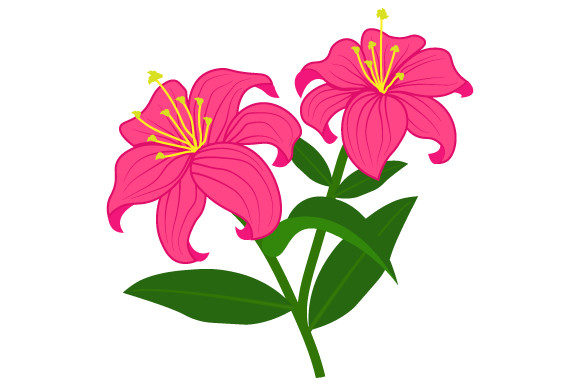
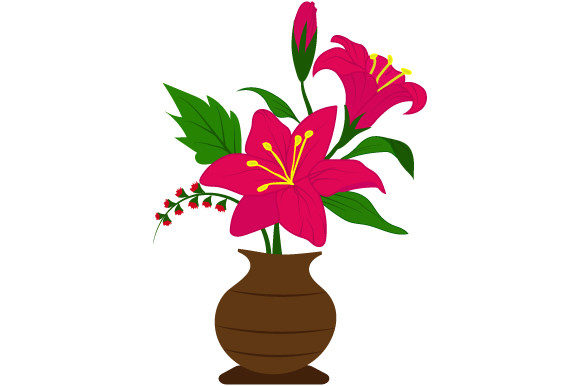
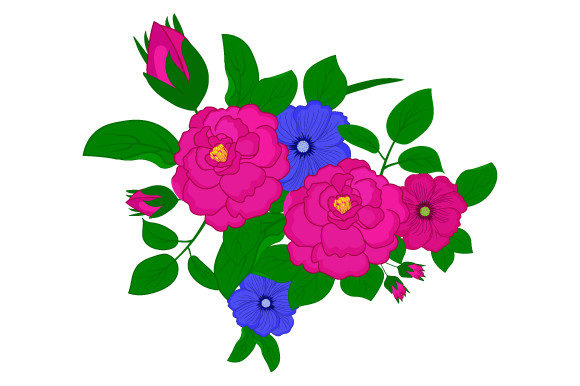
When you first load the Flowers file into your digitizing software, the immediate takeaway is one of refined simplicity. The description promises "perfection in details and consistency," and for the most part, it delivers. Unlike many generic floral designs that feel cluttered or overly busy, this illustration strikes a balance between delicate and bold. It has a modern, clean aesthetic that feels less like vintage lace and more like contemporary botanical art.
The visual personality of Flowers is versatile. It doesn’t scream for attention, which is exactly why it works so well for subtle branding or understated luxury items. Whether you are creating a tote bag design for a yoga studio client or a minimalist sweatshirt embroidery for a young professional, this graphic brings a sense of calm sophistication. It avoids the trap of being too childish or too stiff, landing squarely in that sweet spot that appeals to a broad demographic.
Real-World Application: From Screen to Stitch
I took Flowers out of the digital realm and tested it in several real-life scenarios. Here is how it performed across different mediums and end-products.
Custom Apparel and Accessories
For custom apparel, placement is everything. I placed Flowers on the left chest of a heavyweight cotton hoodie. The design held its shape beautifully without looking distorted. Because the illustration relies on clear lines rather than excessive texture, it translates cleanly onto thick fabrics. However, I found that it truly shines on smoother materials. When I tried it on a textured knit, some of the finer details got lost in the weave. For best results, pair this embroidery file with stable, medium-weight fabrics like denim, canvas, or fine jersey.
I also tested it as an embroidered patch style applique on a cap. The symmetry of the floral arrangement worked well here, creating a focal point that draws the eye without overwhelming the curve of the hat. This makes it an excellent choice for small shop product branding where you need a logo or icon that is recognizable from a distance.
Home Goods and Decor
One of my favorite uses for Flowers was on kitchen textiles. I stitched it onto a linen tea towel. The clean lines contrasted nicely against the natural weave, giving the item a high-end, boutique feel. It’s the kind of detail that makes a customer pause and pick up a product at a craft fair. Similarly, on a pillow cover, it adds a touch of elegance without dating the piece. It pairs exceptionally well with neutral color palettes, allowing the embroidery thread colors to pop.
Digital and Commercial Assets
Since this is categorized under Illustrations and Graphics, it’s worth noting its utility beyond physical stitching. For digital product sellers, this asset is perfect for creating printable mockups. The consistency mentioned in the product description means it scales well for web use, apps, and infographics. If you sell digital planners or printable wall art, Flowers can serve as a cohesive design element that ties your brand identity together.
Where Caution Is Required
No design is perfect, and Flowers has specific limitations you must consider before committing to a production run.
- Small Hoop Sizes: While the design is elegant, attempting to stitch it in a very small hoop (under 4x4 inches) may result in a loss of definition. The details become microscopic, and the overall impact is diminished. Stick to mid-size hoops for the best visual payoff.
- Textured and Stretchy Fabrics: As noted earlier, textured fabrics can obscure the "perfection in details" that this design offers. Furthermore, stretchy fabrics require careful hooping and stabilizer support. Without proper backing, the tension of the fill stitch areas could pucker the garment, ruining the clean look.
- Dense Stitch Areas: Check the stitch density carefully. If the design uses heavy satin stitches for outlines, ensure your fabric can handle the bulk. On thin fabrics, this can lead to transparency issues or fabric distortion.
- Dark Fabric Contrast: If you plan to embroider this on dark backgrounds, you will need to use a cut-away stabilizer and potentially a backing layer to prevent show-through. Light threads may not have enough opacity against deep navy or black fabrics unless you use a dense underlay.
Practical Designer Notes for Success
To get the most out of Flowers, follow these practical steps before you start stitching your final project.
- Test on Scrap Fabric: Always run a test stitch on a scrap piece of the same material you intend to use. This helps you gauge how the thread colors interact with the fabric texture.
- Check Stabilizer Choice: Use the appropriate stabilizer for your fabric weight. A tear-away might work for woven cotton, but a cut-away is safer for knits and garments that will be washed frequently.
- Review Stitch Density: Zoom in on the digital file. Are there any areas where the satin stitch or running stitch might overlap awkwardly? Adjusting the density in your software can often save a design from looking muddy.
- Black and White Mockup: Convert the design to grayscale to check contrast. If the shapes blend together in black and white, they will likely lose their distinctness in color as well.
- Confirm Licensing: Before selling finished items, double-check the license terms. Even though this is a commercial embroidery friendly asset, some licenses restrict the number of units you can produce or prohibit resale on certain platforms.
Final Verdict
Flowers is a strong addition to any designer’s toolkit. It offers a level of polish and consistency that is rare in mass-market graphics. It is particularly well-suited for personalized gift items, holiday embroidery projects, and brands that value a clean, modern aesthetic. While it requires careful consideration regarding fabric choice and hoop size, the resulting finished product is undeniably professional.
If you are looking to add a touch of botanical elegance to your craft business inventory without sacrificing clarity or ease of stitching, Flowers is a smart investment. Just remember: the best embroidery comes from thoughtful preparation. Test thoroughly, choose your materials wisely, and let the design speak for itself.