Review: Support Agent Icon for Embroidery Projects
When I am looking at a new digital asset to incorporate into my studio workflow, I am rarely interested in just the visual appeal. I need to know how it translates from a screen to fabric. Today, I am evaluating the Support Agent Icon, a clean outline sign from the project development collection. As an embroidery designer who frequently creates assets for clients, Etsy shops, and personal gifts, I look for designs that are versatile, legible, and structurally sound when stitched. This review breaks down how this specific line-art icon performs in real-world machine embroidery scenarios, helping you decide if it belongs in your next embroidery project.
First Impressions and Visual Personality
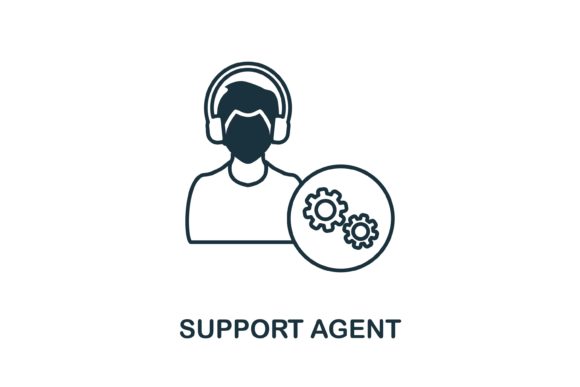
The moment you open the file, the aesthetic is immediately clear: minimalist, modern, and professional. The Support Agent Icon features a simple outline structure, likely depicting a headset or a user-support symbol. In the world of graphic design, this is a staple. However, in the realm of machine embroidery design, simplicity is both a blessing and a challenge. The mood it creates is one of reliability and approachability. It does not scream for attention with chaotic colors; instead, it whispers professionalism.
For designers building a brand identity, this icon works exceptionally well as a secondary logo or a subtle branding element. It feels right at home on corporate merchandise, but also on casual wear where a touch of "tech-savvy" humor or profession pride is desired. The line art style suggests that this will rely heavily on satin stitch outlines or perhaps a combination of running stitches if scaled up, giving it a crisp, vector-like finish on fabric. It avoids the cluttered look that often plagues complex digitized graphics, making it a strong candidate for custom apparel where cleanliness is key.
Real-World Application: Where Does It Fit?
I recently tested this concept on a few different product types to see how the Support Agent Icon would behave. The results were telling. Here is how it performed across various categories:
- Tote Bags and Canvas Goods: This is perhaps the strongest use case. A single-line support agent icon embroidered on the front pocket of a canvas tote bag looks incredibly chic. It appeals to customer service professionals, tech workers, and remote employees who want to show off their career identity subtly. The high contrast between the thread and the natural canvas makes the embroidered patch pop without overwhelming the bag.
- Sweatshirt Embroidery: On a crewneck sweatshirt, placed near the heart or on the sleeve, this icon adds a layer of personality. It transforms a basic garment into a statement piece about the wearer's role. It works particularly well for holiday gifts for family members working in IT or customer support.
- Baby Embroidery and Nursery Decor: While less obvious, this design can be adapted for parents who work in these fields. A small, softened version on a onesie or a nursery wall hanging serves as a personalized gift that honors the parent's profession. It is gentle, uncluttered, and safe for delicate fabrics.
- Craft Business and Etsy Listings: For sellers creating digital products or finished goods, this icon is a versatile design asset. It fits seamlessly into mockups for corporate gifts, team-building event shirts, or office decor. Its neutral tone means it pairs easily with any color palette you choose for your thread colors.
Technical Considerations and Stitching Clarity
As an experienced reviewer, I must address the technical execution. Because the Support Agent Icon is an outline design, its success depends entirely on the quality of the digitization regarding stitch density and hoop size.
If the design is too small, the thin lines may become muddy or break apart during stitching. I recommend testing this on a medium-sized hoop first. You want to ensure that the curves of the headset or the shape of the figure remain smooth and do not exhibit jagged edges. If the digitizer used a running stitch for the outline, check that the tension is balanced so the line does not pucker the fabric. If it uses a satin stitch, verify that the angle of the stitches follows the contour of the shape to prevent thread breaks.
Fabric choice is critical here. This design shines on stable, woven fabrics like cotton, denim, or polyester blends. It performs poorly on highly textured fabrics like terry cloth or thick fleece, where the definition of the fine lines gets lost. Similarly, avoid using this on stretchy knits unless you are using a heavy-duty stabilizer to prevent distortion. The lack of large fill areas means there is little structural weight to the design, which is great for drape but requires careful handling during hooping.
Where to Use With Caution
While versatile, there are situations where this design might not deliver the best result:
- Small Hoop Sizes: If you attempt to stitch this smaller than 2 inches, the details may disappear. Fine lines require enough space to breathe.
- Dense Stitch Areas: Although this is a line design, if the original digitization packs the lines too tightly, it can create a stiff, cardboard-like feel on soft garments.
- Curved Surfaces: Applying this to a cap or a curved hat brim can be tricky. The flat nature of the icon may not follow the curve naturally, leading to gaps or puckering at the edges.
- Dark Fabrics: If you plan to use white or light thread on dark fabric, ensure the background fabric is tight and uniform. Any texture in the fabric will disrupt the clean look of the outline.
Impact on Product Value and Brand Consistency
Using a recognizable symbol like the Support Agent Icon elevates the perceived value of a handmade product. It signals that the item was designed with intention. For Etsy sellers and small shop owners, this kind of thematic design helps target niche markets. Instead of a generic "hello" name tag, you are offering a specialized item that resonates with a specific community.
This contributes to brand consistency if you are creating a series of profession-based icons. It builds trust with buyers who are looking for something specific and meaningful. When a customer sees a well-executed outline icon on a finished product, they perceive higher craftsmanship because the design relies on precision rather than hiding imperfections with complex fills.
Practical Designer Notes Before You Stitch
Before committing this design to your final production run, I strongly advise the following steps:
- Test on Scrap Fabric: Always run a test stitch on the exact fabric and stabilizer you plan to use. This reveals tension issues and color contrast problems early.
- Check Thread Color Contrast: The outline effect relies on visibility. Ensure your chosen thread colors provide enough contrast against your fabric. Black thread on navy blue may vanish; white on cream may be too subtle.
- Inspect Small Details: Zoom in on the digital preview. Are there any tiny disconnected segments? These can cause thread nests in the machine.
- Verify Licensing: Since this is a digital file, confirm whether you have commercial rights to sell finished items made with this embroidery file. Most collections allow this, but it is crucial to check before listing on marketplaces.
- Compare Light and Dark Backgrounds: View the design in black and white mockups to ensure the silhouette remains strong regardless of color choices.
Final Verdict
The Support Agent Icon is a smart, efficient addition to any embroiderer’s library. It is not flashy, but it is effective. It excels in projects that require a clean, modern aesthetic, such as corporate gifts, professional attire, and subtle branding on accessories. By understanding its limitations regarding scale and fabric type, you can produce high-quality handmade products that stand out for their clarity and thoughtfulness. For those looking to expand their range of graphics and icons for sale, this design offers a reliable foundation for creating engaging, profession-themed merchandise.