Balcony Furniture Icon Embroidery Review
When I sit down to evaluate a new machine embroidery design, my first instinct is always practical: will this stitch well, and does it actually look good when finished? It is easy to get caught up in the digital preview of an embroidery file, where lines are crisp and colors are perfect. But the real test happens when the needle hits the fabric. Today, I am putting the Balcony Furniture Icon through that exact scrutiny. This piece comes from a collection focused on line art and outline signs, which immediately suggests a specific aesthetic—clean, modern, and minimalist. As someone who has stitched hundreds of designs for clients and my own craft business, I want to share how this particular graphic translates from a vector asset into a tangible, high-quality embroidered product.
First Impressions and Visual Personality
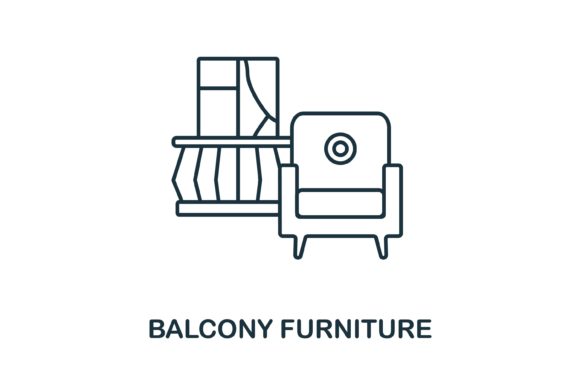
The Balcony Furniture Icon carries a distinct mood right out of the package. Because it is derived from an outline sign concept, it feels architectural yet inviting. The visual personality is not busy or cluttered; it relies on negative space and clear structural lines. For designers, this is a huge advantage. In the world of embroidery project planning, less is often more. A design that depends on tiny, intricate details can easily get lost in the thread or become a stitching nightmare if the density isn't managed perfectly. This icon, however, seems built for clarity.
I imagine this design sitting comfortably on a variety of products. It evokes a sense of home, relaxation, and perhaps a touch of urban chic. It is the kind of graphic that whispers rather than shouts. When you look at the layout, you can see how the shape balances itself. It doesn’t require complex shading or gradient fills to make its point. Instead, it uses the strength of its silhouette. This makes it an excellent candidate for custom apparel where you want the logo or graphic to be recognizable without overwhelming the garment’s overall style. It feels like a design meant for a boutique brand that values simplicity and elegance over loud statements.
Real-World Application: From Screen to Stitch
Let’s talk about a real-life scenario. Imagine you are preparing a batch of custom embroidered tote bags for a local artisan market or an Etsy shop. You need something that appeals to a wide audience but still feels unique. The Balcony Furniture Icon fits this bill perfectly. Picture a sturdy canvas tote with the icon centered on the front panel. Because the design is essentially a line drawing, it pairs beautifully with simple, solid-colored threads. You could use a contrasting thread color to make the outline pop against a neutral background, creating a sharp, professional look.
This same design also shines on smaller items. Consider a baby onesie or a nursery wall hanging. The gentle, rounded nature of balcony furniture shapes—like chairs or tables—can be softened by the embroidery process. If you choose softer pastel threads, the icon takes on a whimsical, storybook quality. It works as a subtle decorative accent rather than a dominant feature. For holiday gifts, think about kitchen towels or aprons. The theme of "home" and "outdoor living" resonates well during summer gatherings or housewarming parties. A small, tasteful embroidery of this icon on a tea towel adds a layer of thoughtfulness that customers appreciate. It transforms a basic household item into a personalized gift that feels curated and special.
Technical Performance and Fabric Considerations
While the aesthetic appeal is strong, any experienced embroiderer knows that fabric choice is critical. The Balcony Furniture Icon is likely best suited for stable fabrics. Woven cottons, linens, and denim provide the perfect foundation for clean lines. However, there are situations where caution is needed. If you plan to stitch this onto stretchy knits, such as a jersey t-shirt or a sweatshirt cuff, you must ensure you are using a stabilizer that prevents distortion. Stretchy fabrics can cause the delicate lines of the icon to warp or pucker, ruining the crispness of the design.
Similarly, textured fabrics like heavy wools or bouclé yarns might hide the fine details of the outline. In these cases, the contrast between the thread and the fabric texture becomes paramount. You might find that the design loses some of its definition if the fabric is too thick or fuzzy. For embroidered patch applications, this design would likely perform very well, provided the backing material is rigid enough to support the edges. When working with dark fabrics, pay close attention to your thread colors. A light thread on a dark background will emphasize the outline effect, while a tonal thread might blend in too much, making the design hard to see. Always test your thread combination on a scrap piece of the actual fabric before committing to the final product.
Where to Use Carefully
- Small Hoop Sizes: If you attempt to digitize or stitch this at a very small scale, the individual lines may merge together. Ensure the hoop size allows for adequate separation between the strokes.
- Curved Surfaces: Applying this to caps or curved hat panels requires careful tension adjustment. Flat surfaces like tote bags or pillow covers are safer bets for maintaining geometric accuracy.
- Dense Stitch Areas: While the design is mostly outline, if the digitization includes fill stitches for solidity, check the stitch density. Too much density in a small area can make the fabric stiff and uncomfortable, especially on clothing.
Impact on Product Value and Branding
Using a clean, well-executed graphic like the Balcony Furniture Icon elevates the perceived value of your handmade products. Customers associate neat, precise stitching with quality craftsmanship. When a buyer sees a clear, un-puckered design on a handmade product, they trust that the maker paid attention to detail. This trust translates into repeat business and positive reviews. For an Etsy seller or small shop owner, having a library of versatile, professional-grade designs allows you to create a cohesive brand identity across different product lines.
This icon works particularly well for branding because it is timeless. Trends in graphic design come and go, but simple line art tends to endure. By incorporating this into your design assets, you create a signature look that customers can recognize. Whether it appears on a label, a hang tag, or the product itself, consistency builds professionalism. Furthermore, because the design is minimal, it is highly adaptable. You can resize it, change the thread palette, or combine it with other elements to create variations without losing its core identity. This flexibility is invaluable for commercial embroidery projects where you might need to produce multiple versions of a logo or motif.
Practical Designer Notes Before You Start
Before you load the digital embroidery file into your machine, take a moment to prepare properly. First, inspect the design file closely. Look at the corners and curves to ensure they are smooth and free of jagged edges. If you are working with vector files like EPS or AI, consider converting them to a format compatible with your embroidery software, ensuring that the line weights translate correctly into stitch paths.
Always run a test stitch on a scrap piece of fabric using the same stabilizer and thread you plan to use for the final product. This step is non-negotiable. It allows you to check for tension issues, thread breaks, or alignment problems. Pay special attention to how the design looks in black and white mockups; this helps you gauge the contrast and readability without being distracted by color. If the design looks muddy or indistinct in grayscale, it might struggle in color embroidery as well.
Finally, confirm your licensing rights. Even though this is a purchased or downloaded asset, verify whether you are allowed to sell finished items made with the Balcony Furniture Icon. Some licenses restrict commercial use, while others allow it with attribution. Understanding these terms protects your business and ensures you are operating ethically. By following these steps, you can confidently integrate this icon into your workflow, knowing it will deliver a polished, professional result that your customers will love.