Workflow Automation Icon Embroidery Review
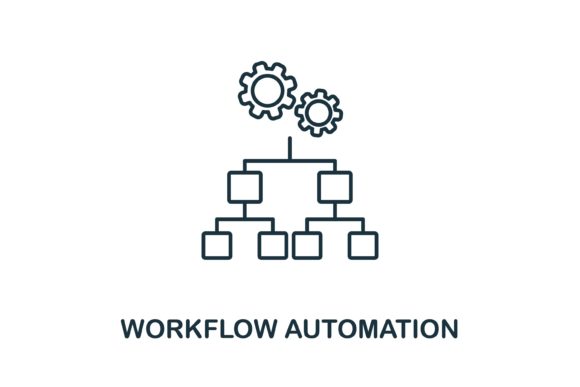
As a designer who spends half the day staring at vector coordinates and the other half troubleshooting thread tension, I approach every new digital asset with a healthy dose of skepticism. It is easy to create something that looks sharp on a screen but falls apart under the needle. Today, I am evaluating the Workflow Automation icon, an outline sign from the production management collection. My goal is not just to tell you what it looks like, but to determine if this graphic holds up when translated into physical form for real-world applications.
The design is described as a line-based symbol suitable for infographics, web design, and logo vector graphics. It comes in an EPS file format. While the source is vector, my concern lies in how those clean lines translate to thread. Does the concept of "automation" read clearly when stitched? Is it too busy for a small hoop? Let us break down the practical implications for embroidery designers, craft business owners, and Etsy sellers before you commit to printing or digitizing this asset.
First Impressions and Visual Personality
The immediate mood of the Workflow Automation icon is professional, structured, and efficient. In the world of embroidery, where texture and stitch direction add chaos to order, this icon offers a refreshing sense of calm. The outline style suggests minimalism, which is crucial for legibility. When we talk about machine embroidery design, clarity is king. If a customer cannot recognize the subject within three seconds of looking at your product, the design has failed.
This graphic feels native to modern branding. It does not scream "craft fair" in a rustic way; rather, it whispers "boutique quality." The visual personality aligns perfectly with themes of productivity, organization, and smart living. For creators looking to tap into the market of personalized gifts for professionals, this icon bridges the gap between whimsical handmade goods and serious corporate gifting. It creates a mood of competence. When a client sees this on a tote bag or a laptop sleeve, they associate the object with efficiency and streamlined processes.
Real-World Application: The Custom Tote Scenario
To truly test the value of this design, imagine you are preparing a custom embroidered tote bag for a local entrepreneur. This person runs a virtual assistant service or a project management consultancy. They need merchandise that says "I organize chaos" without being overly literal or cluttered. You decide to place the Workflow Automation icon centered on the front panel of a heavy-duty canvas tote.
Because the icon is an outline sign, it relies heavily on negative space. On fabric, this translates to fewer stitches covering more area compared to a dense fill design. This is advantageous for several reasons. First, it reduces the weight of the embroidery on the fabric, preventing the tote handles from sagging prematurely. Second, it allows the natural texture of the canvas to show through, integrating the design into the material rather than sitting awkwardly on top of it. The result is a handmade product that feels high-end and intentional. Customers react positively to designs that respect the fabric's integrity. A simple, well-executed outline often commands a higher price point than a complex, noisy pattern because it signals confidence in the craftsmanship.
Performance Across Different Media
While the tote bag is a strong candidate, the versatility of this Graphics element extends to various other categories. Here is how the design performs in specific contexts:
- Custom Apparel and Sweatshirts: Placing this icon on the chest of a sweatshirt works exceptionally well. The clean lines contrast nicely against the soft, fuzzy texture of fleece or cotton blends. It serves as a subtle brand statement for remote workers or students majoring in business. However, avoid placing it near seams or curves where distortion might warp the linear elements.
- Embroidered Patches: This is perhaps the most robust application. An embroidered patch benefits from the boldness of an outline design. Because patches are often sewn onto backpacks, jackets, or hats, the durability of the stitching is paramount. The simplified nature of the Workflow Automation icon means there are fewer points of failure where thread could snag or break during wear.
- Kitchen Towels and Aprons: For the home organization niche, this icon fits seamlessly. Imagine a set of kitchen towels with different icons representing meal prep, cleaning schedules, and workflow automation. The outline style ensures that even smaller details remain visible after repeated washing. It adds a touch of modern chic to domestic textiles.
- Digital Product Previews: As a seller of digital embroidery files, having a mockup of this icon helps visualize the end result. The clean vector lines translate well into printable mockups, allowing potential buyers to see how the design assets will look on various backgrounds before purchasing.
Where Caution Is Required
No design is universally perfect, and the Workflow Automation icon has specific constraints that must be respected to ensure a successful embroidery project. There are scenarios where this graphic may struggle:
- Small Hoop Sizes: If you attempt to stitch this icon in a hoop smaller than 3x3 inches, the fine lines may become indistinguishable. The eye needs room to interpret the shape. Compressing the design risks turning clean lines into muddy blobs.
- Textured and Stretchy Fabrics: Knits, jersey, and highly textured fabrics can distort straight lines. Without proper stabilization, the stitch density may pull the fabric, warping the geometric precision of the icon. Always use a stabilizer appropriate for the fabric weight.
- Dark Fabric Backgrounds: Outline designs rely on contrast. On dark fabric, using a light thread color is essential. If the thread color lacks sufficient contrast against the background, the visual appeal drops significantly, and the design becomes difficult to read.
- Dense Stitch Areas: While the icon itself is likely low-density, if you combine it with other elements, be careful not to over-stitch. Excessive layers of thread can cause puckering, especially on thin fabrics like tea towels or lightweight apparel.
Practical Designer Notes for Execution
Before adding this to your commercial inventory, follow these steps to guarantee quality:
- Test on Scrap Fabric: Never assume a design will work on your final product. Stitch it out on the exact fabric type you plan to sell. Check for thread breaks, tension issues, and alignment.
- Review Stitch Density: Ensure the digitization (if you are converting the EPS) uses appropriate stitch types. A combination of satin stitch for borders and running stitch for internal details often yields the best results for outline icons.
- Check Thread Color Contrast: Test the design in black and white mockups. If it reads clearly in grayscale, it will likely read well in color. Compare light and dark fabric backgrounds to find the optimal pairing.
- Inspect Small Details: Zoom in on the original vector. Are there tiny nodes or intricate intersections that might get lost in translation? Simplify if necessary to maintain clarity.
- Confirm Licensing: Since this is a commercial asset, verify the license terms. Ensure you have the right to sell finished products made with this embroidery file. Some licenses restrict commercial use, while others allow it with attribution.
Final Verdict on Value and Appeal
The Workflow Automation icon succeeds because it respects the limitations of the medium while maximizing its strengths. It is not trying to be a photorealistic portrait; it is a clear, communicative symbol. For Etsy sellers and small shop owners, this design offers a versatile tool to create commercial embroidery pieces that resonate with a modern audience.
It enhances brand consistency by providing a recognizable motif that can be repeated across a product line. It boosts customer trust by appearing professional and polished. Whether used for a personalized gift for a colleague or as part of a craft business collection, the icon delivers a message of order and efficiency. By testing carefully and choosing the right fabric and thread combinations, you can transform this simple vector graphic into a tangible, valuable finished product that stands out in a crowded marketplace.